Fashion Editors Wear the Same Outfits Constantly — Here's What They Know That You Don't
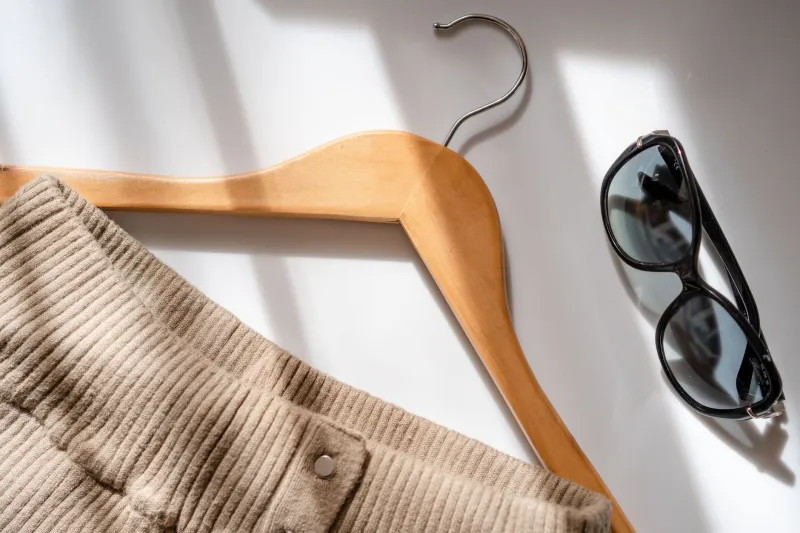
There's a specific kind of dread that creeps in when you're getting dressed for a party and you realize — you wore this exact outfit to the last thing these same people attended. Cue the spiral. The frantic closet dig. The last-minute Amazon order you'll regret by Tuesday.
Here's the thing, though: the people who have built entire careers around fashion? They are not doing this. Fashion editors, stylists, and creative directors are repeat-outfit champions — and it's not because they're lazy or broke. It's because they understand something the rest of us have been conditioned to forget.
The Myth of the One-Time Outfit
Somewhere along the way — and social media definitely didn't help — getting dressed became a performance. A content drop. A statement that, once made, couldn't be repeated without losing its power. But that framing has almost nothing to do with actual style and everything to do with consumption anxiety dressed up as fashion advice.
Real style isn't about volume. It's about fluency. And fluency, by definition, requires repetition.
Think about how you'd describe someone with great personal style. Chances are, you're picturing someone who looks like themselves every time you see them — not someone who shows up in a completely different aesthetic every week. That consistency? That's the whole point.
What Fashion Insiders Actually Do
Talk to anyone who works in fashion long enough, and a pattern emerges: the people most immersed in the industry tend to wear less, not more. They've identified the pieces that work — really work — and they build around them without apology.
The approach isn't random. It's intentional in a way most of us never learned to be.
They anchor everything to a few high-performing pieces. Rather than treating their wardrobe as an endless menu, industry insiders tend to identify four or five items that fit perfectly, feel right, and photograph well (yes, that matters in their world). Everything else orbits those anchors.
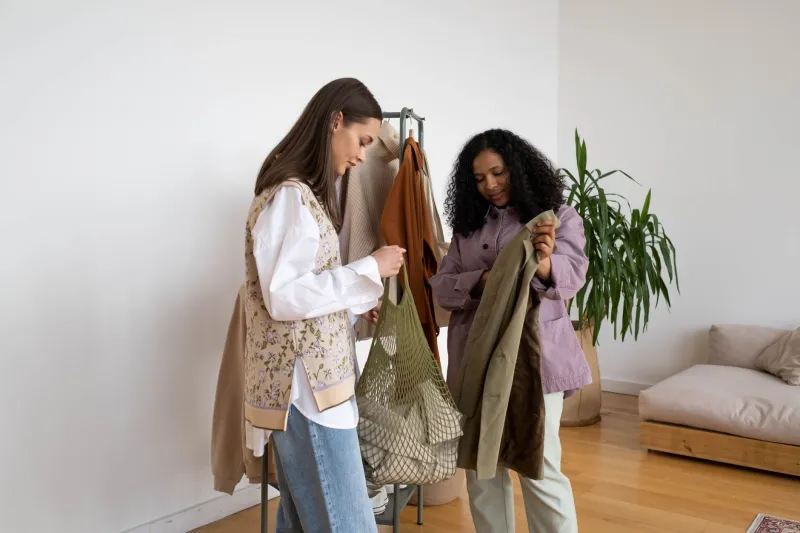
They style, not shop, their way out of boredom. When an outfit starts to feel stale, the instinct for most people is to buy something new. Fashion editors reach for a different belt, layer something unexpected, or change the shoe entirely. Same pieces, different read. It's a skill — and like any skill, it gets sharper with practice.
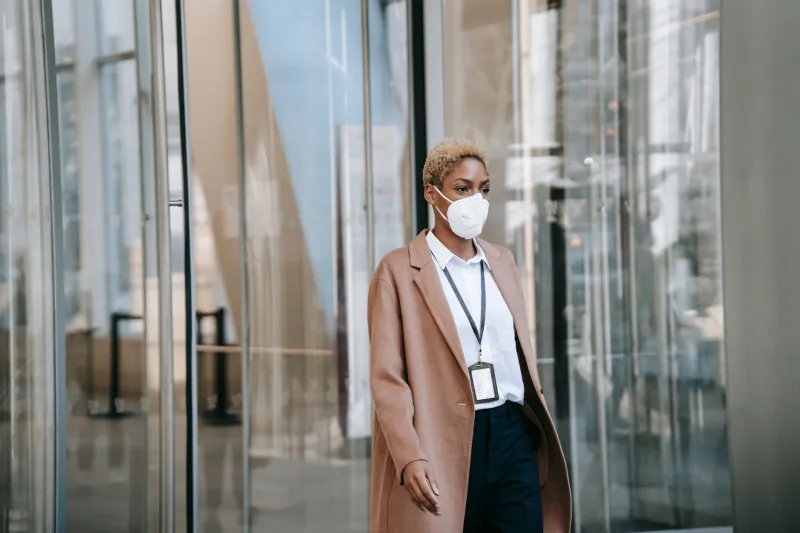
They've made peace with being recognized in their clothes. This one's huge. There's actually a kind of confidence in being the person who always wears that great camel coat or those specific trousers. It stops being a limitation and starts being a signature.
The Psychology Behind Repeat-Outfit Anxiety
Let's be honest about where this guilt actually comes from. The fear of being seen in the same outfit twice is almost entirely a social performance concern — and research backs this up. Studies on impression management suggest that we dramatically overestimate how much other people notice and remember details about our appearance. The mental energy you're spending on outfit tracking? Other people are almost certainly not doing the same.
The anxiety also gets amplified by Instagram culture and, more recently, the pressure of being constantly photographed or filmed. When your outfits exist as permanent, searchable content, repetition feels more visible. But even that framing is worth questioning. Some of the most followed fashion accounts on the internet have built their entire brand around outfit repeating — and their audiences love them more for it, not less.
Building Your Own Sustainable Rotation
So how do you actually shift from wardrobe chaos to something that functions the way a fashion editor's closet does? It starts with a reframe and gets practical from there.
Step 1: Identify your actual repeaters. Pull out everything you've worn in the last 30 days. Not what you meant to wear — what you actually reached for. Those are your real anchors. Honor them. Build around them instead of treating them like consolation prizes while you wait for the "right" outfit to materialize.
Step 2: Create outfit combinations, not individual looks. Fashion editors don't just think in outfits — they think in systems. If you buy a blazer, you should be able to see at least four distinct ways to wear it before it comes home with you. If you can't, it's not earning its place.
Step 3: Give yourself a remix challenge. Pick one piece you've been wearing the same way for months and style it completely differently for a week. Different bottoms, different layers, different context (dressed up versus dressed down). This isn't just a fun exercise — it rewires how you see your existing wardrobe and makes the shopping impulse quieter.
Step 4: Stop documenting everything. This might sound counterintuitive in the era of outfit posts, but if you're mentally cataloging every combination you've photographed or posted, you're creating your own prison. Not every outfit needs to be content. Some of them can just be Tuesday.
Step 5: Invest in the repeaters. Once you've identified the pieces you actually wear, that's where the real budget should go. A $200 pair of trousers you wear 80 times costs you $2.50 per wear. A $60 top you wear twice costs $30. Fashion editors understand cost-per-wear in a way that makes their spending look very different from the outside.
The Signature Look Is the Goal, Not the Problem
Here's the reframe that might actually stick: being recognizable in your clothes is not a failure of imagination. It's the evidence that you've figured something out most people are still searching for.
Some of the most iconic style figures in American culture — from Anna Wintour's bob-and-sunglasses combination to Steve Jobs' black turtleneck (yes, it's a fashion reference, stay with us) — built their visual identity on consistency. The signature isn't boring. The signature is power.
Your rotation doesn't need to be big. It needs to be yours. The goal isn't to never buy anything new — it's to stop buying things out of anxiety and start building a closet that actually functions like the wardrobe of someone who knows who they are.
Fashion editors aren't exempt from the temptation to overconsume — they're just surrounded by enough product to understand that more isn't the answer. The answer is always, eventually, clarity.
And clarity? It looks really good on repeat.