Shop Secondhand, Sell Smarter: How to Turn Your Thrift Habit Into a Closet That Pays
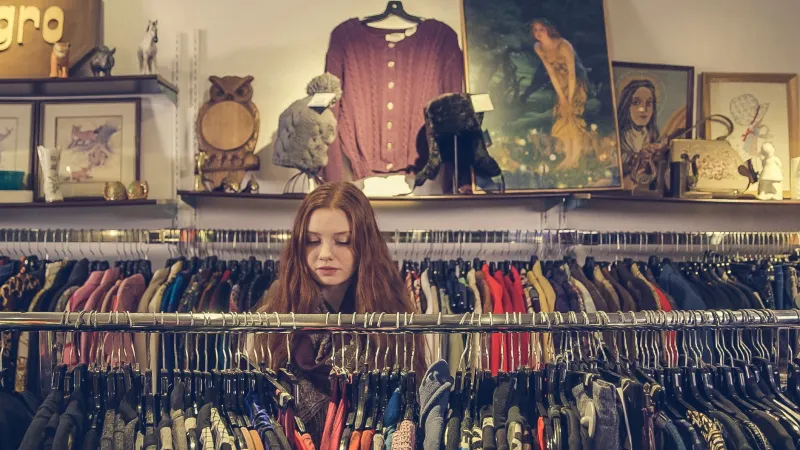
Let's be real: most of us have bought something trendy, worn it twice, and then felt the slow creep of regret every time we opened our closet. The wide-leg trouser that felt so right in February. The micro bag that was everywhere on Instagram and nowhere near functional in actual life. The going-out top that went... nowhere.
Here's the good news. Those "mistakes" don't have to live in a donation bag forever. With a little strategy, your thrift habit can become a rotating, self-funding system — one that's better for the planet and surprisingly good for your bank account.
Why the Resale Economy Is Having a Moment (And Why You Should Care)
The secondhand market in the US is growing fast. According to ThredUp's annual resale report, the secondhand apparel market is expected to nearly double over the next few years, reaching over $70 billion. Platforms like Depop, Poshmark, and Vestiaire Collective have made it genuinely easy to both buy and sell — and a growing chunk of shoppers are treating resale as their primary way of engaging with fashion.
But beyond the economics, there's a style argument too. Vintage and thrifted pieces often have a quality and character that fast fashion simply can't replicate. A well-made blazer from the '90s, a barely-worn designer bag from Vestiaire, a deadstock denim jacket from a Goodwill in Ohio — these are the pieces that make an outfit feel like yours rather than everyone else's.
The trick is shopping with intention. And knowing when to let go.
Thrifting With Resale Value in Mind
Not everything at the thrift store is worth buying, even if it's technically a deal. The shoppers who build the most valuable secondhand wardrobes are the ones who've trained themselves to evaluate pieces through two lenses at once: "Do I love this?" and "Could I sell this if I change my mind?"
Here's what to look for:
Brand recognition matters. On resale platforms, recognizable names move faster and at higher prices. Levi's, Ralph Lauren, Coach, Free People, Anthropologie — these consistently perform well on Poshmark and Depop. Luxury labels (even vintage ones) on Vestiaire Collective can command serious money if they're authenticated and in good condition.
Condition is everything. A thrifted piece with pilling, staining, or broken hardware is a donation, not an investment. When you're thrifting with resale in mind, only pick up items that are genuinely clean and intact. Minor alterations are fine; structural damage is not.
Timeless silhouettes over micro-trends. That neon corset top might be everywhere right now, but trend-specific pieces have a short resale window. Classic silhouettes — a well-cut trench, a structured leather bag, straight-leg denim — have staying power on the secondary market because buyers want them year-round.
Check the tags. Made in USA, made in Italy, 100% wool, 100% silk — these details signal quality and authenticity to resale buyers. Synthetic blends from mass-market brands rarely hold their value.
Building the Rotating Wardrobe Model
Here's the framework that serious secondhand shoppers use: think of your closet as a collection that's always in motion. Pieces come in, get loved, and either stay permanently or get sold when you're done with them — ideally for close to (or more than) what you paid.
The goal isn't to hoard. It's to be strategic about what you bring in so you have less regret and more flexibility.
Set a sell-to-buy rule. Before adding something new to your closet, identify something you're ready to list. This keeps your wardrobe from getting bloated and funds your next purchase.
List quickly. The longer a piece sits unlisted, the less you'll want to deal with it — and the more it feels like clutter. When you bring something home from the thrift store with resale intent, photograph it within a few days while the motivation is fresh.
Price honestly. Overpricing is the fastest way to have a listing sit forever. Research comparable sold listings on whatever platform you're using — not active listings, sold ones. That's what the market is actually paying.
Choosing the Right Platform for What You're Selling
Not all resale platforms are created equal, and knowing where to list what can make a real difference in how fast you sell and how much you make.
Depop skews younger and trendier. It's ideal for vintage pieces, Y2K finds, streetwear, and anything with a distinct aesthetic. If it looks good in a moody, editorial photo, it'll probably do well on Depop.
Poshmark has a broader, more mainstream audience and tends to perform well for contemporary brands, activewear, and accessible luxury. It's also got a built-in social component — following, sharing, and engaging with the community genuinely helps your listings get seen.
Vestiaire Collective is the place for authenticated luxury. If you've thrifted a vintage Chanel belt or a barely-used Gucci loafer, this is where you'll find buyers who are specifically looking for investment-level pieces and willing to pay accordingly.
Avoiding the Donation Trap
The donation trap is real: you clean out your closet, fill three bags for Goodwill, and feel virtuous — but you've just handed over a bunch of sellable items for free. That's not wrong, exactly, but it's leaving money on the table.
Before anything goes in the donation bag, do a quick sanity check. Is this brand-name? Is it in good condition? Could it photograph well? If yes to all three, it's worth listing first. Give it 30 days. If it doesn't sell, then donate it.
The exception: anything truly worn out, damaged, or from a brand with zero resale demand. Those can go straight to donation or textile recycling without guilt.
The Real Win: A Wardrobe That Works Harder
When you start treating your closet as a curated, rotating collection rather than a permanent accumulation, something shifts. You get pickier about what you bring in. You stop holding onto things out of guilt. And you start seeing your wardrobe as a living thing — one that funds itself, evolves with your taste, and doesn't cost the planet more than it needs to.
That's not just sustainable fashion. That's smart fashion. And honestly? It's a lot more satisfying than a donation receipt.