Why Some Outfits Feel Like Armor and Others Feel Like a Lie
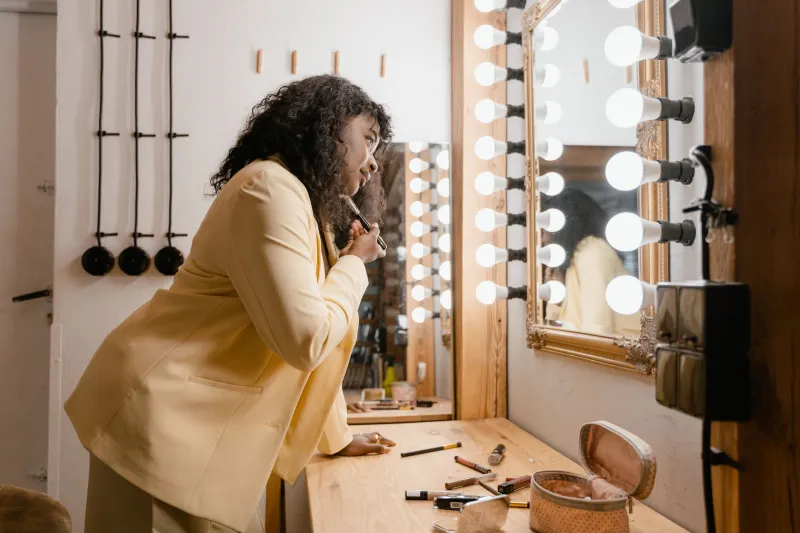
You know the feeling. You zip something up, catch a glimpse in the mirror, and something just clicks. Your shoulders drop, your chin lifts, and you walk out the door like you own the sidewalk. Then there's the other kind of morning — same closet, same you — and everything you try on feels like a costume from someone else's life.
This isn't random. It's not a vibe, a bad hair day, or the universe being difficult. The difference between an outfit that feels like armor and one that feels like a lie is rooted in real, identifiable factors. And once you understand them, you can stop leaving confidence to chance.
The Fit Factor Is More Than Just Size
Let's start with the most literal explanation: clothes that fit your actual body — not the body you had five years ago, not the aspirational size you keep on the top shelf — communicate something to your nervous system. When fabric sits correctly on your frame, you move freely. When it doesn't, you compensate. You tug, you suck in, you stop raising your arm all the way.
That constant micro-management of your clothing is exhausting, and your brain registers it as stress. Research in the field of enclothed cognition — a term coined by researchers Adam and Galinsky — suggests that what we wear physically influences how we think and perform. But that effect only works when you're comfortable in the clothes. Discomfort, even subtle discomfort, short-circuits the whole thing.
So before you blame the color or the trend, ask yourself honestly: does this actually fit? Not "fit enough" — fit well.
Your History With a Garment Is Part of the Outfit
Here's something nobody talks about: you don't just wear clothes. You wear the memory of every time you wore them before. That blazer you bought for a job you didn't get? Your body remembers. The dress you wore when someone gave you a genuine compliment that stopped you in your tracks? Your body remembers that too.
This is why a piece can feel empowering one season and deflating the next, even if nothing about the garment has changed. The clothes haven't shifted — your emotional association with them has. Sometimes an item needs to be retired not because it's worn out, but because the story attached to it no longer serves you.
When you're doing a closet audit, don't just ask "does this fit?" Ask "how do I feel when I put this on?" That gut response is data.
The Color Conversation Is Subtler Than You Think
Color psychology gets oversimplified constantly — red means power, black means authority, yellow means optimism. The reality is more personal than any chart can capture. The colors that make you feel powerful are the ones that interact well with your specific skin tone, hair color, and eye color in a way that makes your face look alive rather than washed out.
When you wear a color that harmonizes with your natural coloring, you get compliments on you — not just the outfit. People say "you look great" instead of "I love that top." That distinction matters more than it sounds, because feeling seen as a person rather than a clothing rack is what actually builds confidence.
If you've never had your colors analyzed — even informally — it's worth experimenting. Hold fabrics up to your face in natural light and pay attention to whether your skin looks more vibrant or more sallow. That's your body giving you a very clear answer.
Body Language Is the Silent Variable
Here's the loop most people miss: confidence affects posture, but posture also affects confidence. When you put on something that makes you feel good, you stand taller. When you stand taller, you look more confident. When people respond to you differently, you feel even more confident. The whole cycle feeds itself.
The reverse is equally true. A too-tight waistband makes you hunch. A neckline that gaps has you crossing your arms. Shoes that hurt make you walk smaller. None of these individual things seems catastrophic, but together they quietly erode the way you carry yourself — and other people pick up on that, even when they can't name what they're noticing.
This is why stylists talk about "wearing the clothes versus the clothes wearing you." It's not a metaphor. It's biomechanics.
How to Engineer More Confidence, Less Guesswork
So what do you actually do with all this? A few practical moves:
Build a short list of your proven winners. These are the pieces — not necessarily the most expensive or the trendiest — that consistently make you feel like yourself. Study them. What do they have in common? Silhouette, color family, fabric weight? That pattern is your style fingerprint.
Get ruthless about discomfort. If you're adjusting something more than twice in the first hour of wearing it, it's not working. No amount of styling tricks will fix the underlying problem.
Photograph your best outfit days. Not for Instagram — for you. When you can look back and see yourself at your most confident, you start recognizing the formula instead of chasing it blindly.
Separate nostalgia from function. Some pieces earn their closet space because they still work. Others are just old friends you feel guilty about letting go. Knowing the difference is how you stop dressing for the past and start dressing for right now.
The outfit confidence gap isn't a mystery. It's a pattern — and patterns, once you can see them, are surprisingly easy to shift.