The Buy-Three-Sizes Habit Is Costing You More Than Money — Let's Fix Your Measurements for Good
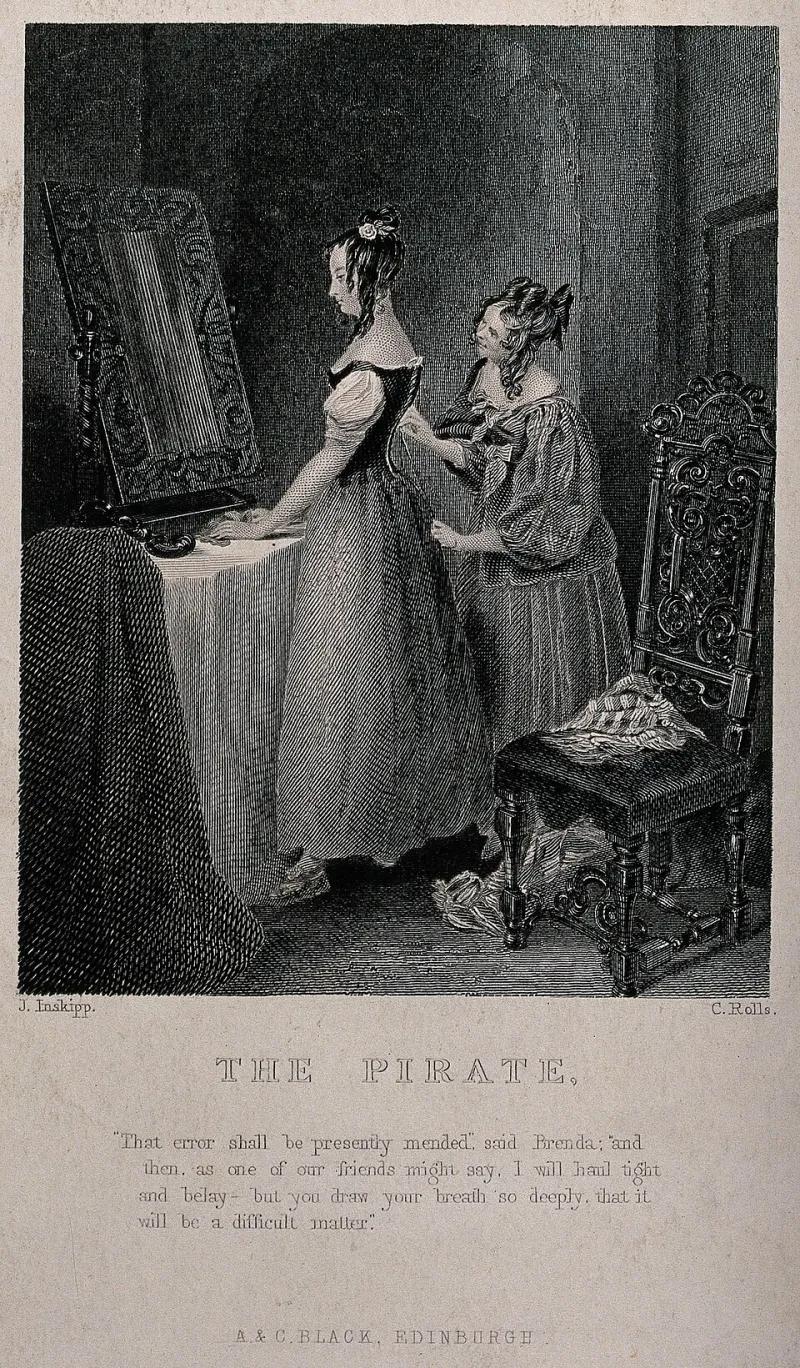
Photo: Unknown, CC BY 4.0, via Wikimedia Commons
Let's name the ritual: you find a dress online. You order your size, a size down, and a size up, because you've been burned before. Two go back. Repeat next week. Repeat the week after that.
If this is you, you're in enormous company. Returns on apparel ordered online in the US hover around 25% or higher, and sizing issues are the number-one reason. Retailers have quietly absorbed this as a cost of doing business. But I'd argue the buy-multiple-sizes habit isn't really a shopping hack — it's a confession. It says: I don't actually know my own body's numbers.
And here's the thing: you can fix that in one evening, for free.
Why This Happened to All of Us
First, some absolution. Vanity sizing is real. A 'medium' at one retailer can fit like a small or a large at another, sometimes within the same brand across different seasons. Size charts are generated from fit models who represent a sliver of real bodies. Online, you're buying from a photo, a description, and hope.
So the three-size strategy worked — it just worked like a bandage on a broken pipe. The real problem isn't that sizes are inconsistent. It's that you've been navigating with a broken compass: no measurements, no fit profile, no memory of what worked.
Step 1: Take Your Measurements Tonight (15 Minutes)
Grab a soft tape measure — $5 at any drugstore or craft store — and wear fitted clothing or none. Measure over skin or thin fabric, keep the tape snug but not tight, and stand relaxed. Don't suck in. The goal is truth, not flattery.
Write down:
- Bust: across the fullest part, tape parallel to the floor
- Natural waist: the narrowest point, usually just above the belly button
- Hips: the fullest part, roughly 8 inches below your waist
- Inseam: inner leg from crotch to where you want pants to hit (measure a pair you love)
- Rise (optional but game-changing): crotch seam to waistband on your best-fitting pants
Write these somewhere you'll see them — a notes app, a mirror sticky note. This is now your single source of truth.
Step 2: Build Your Brand Translation Chart
Sizes lie; measurements don't. So the next time you shop, open the retailer's actual size chart (usually a link near the size selector — most people never click it) and match your numbers to theirs, not to a letter.
Then start a running log: Brand X runs small in dresses, true to size in jeans. Brand Y's medium = my 40-inch bust. After a month, you'll have a personal fit database that no algorithm can replicate. A spreadsheet works. So does the Notes app. The medium is the method.
Step 3: Learn Your Three Dealbreakers
Most returns come down to three fit failures. Identify yours:
- Shoulders/bust: If garments gap or pull across the chest, prioritize bust measurement and look for stretch or tailoring options.
- Waist/hip ratio: If pants never fit both waist and hips, stop buying pants that only fit one — high-rise styles and brands with curvy fits exist for a reason.
- Length: If everything's too long or short, inseam and petite/tall/regular distinctions are your best friend, not an insult.
Once you know your dealbreaker, you can filter products before ordering instead of after.
Step 4: Change Your Order Behavior
The goal isn't zero returns — returns are a legitimate tool. The goal is intentional returns instead of shotgunning sizes. So:
- Order one size based on your measurements and the size chart.
- If you're between sizes, check reviews for the phrase 'runs small' or 'runs large' — crowd-sourced fit data beats charts.
- If you must order two sizes, order two different styles, not two sizes of the same thing, and return both if the fit profile was wrong. That's data.
What You Get Back
Something you can't put on a receipt: confidence. When you know your measurements, shopping stops being a gamble and becomes a search. You'll notice fit problems in the product photos before checkout. You'll spot the brands that consistently respect your proportions and become loyal to them. Your return pile shrinks, your closet fills with things that actually fit, and that low-grade dread when a package arrives — will it work this time? — quietly disappears.
The fashion industry made sizing a mystery. Learning your measurements is how you opt out of the mystery for good. Thirty minutes, one tape measure, and the end of the three-size ritual. Your doorstep — and your style — will feel the difference.