Ghost Clothes: The Forgotten Pieces in Your Closet That Could Be Your Next Favorite Outfit
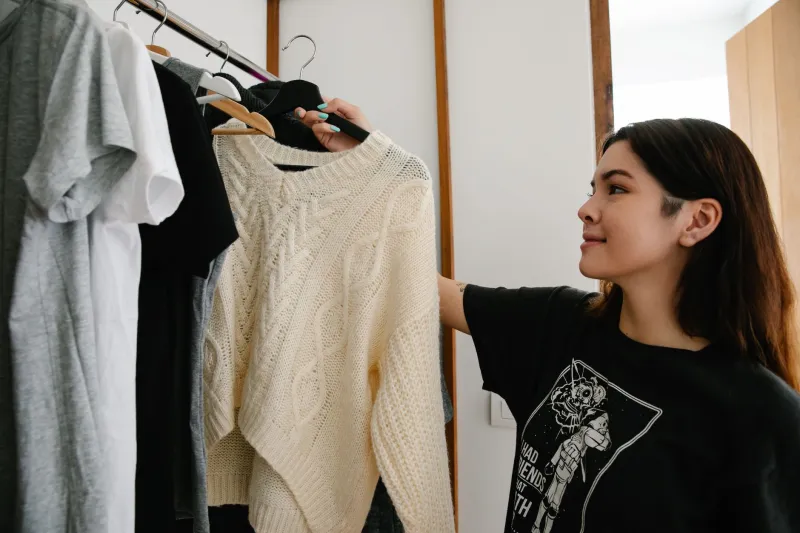
You're standing in front of a packed closet, convinced you have nothing to wear. Sound familiar? Here's the wild part — buried somewhere behind that stack of rarely worn blazers and those jeans you keep meaning to hem is probably something genuinely great. You just... forgot it existed.
This is what we're calling outfit amnesia, and it's way more common than you think. It's not a personal failing. It's a predictable psychological pattern that happens when we own more than our brains can comfortably track. And the result? You keep buying the same white tank top in slightly different cuts, while a perfectly good one sits folded in a drawer you haven't opened since last spring.
Let's talk about why this happens — and, more importantly, what you can actually do about it.
Why Your Brain Literally Forgets What You Own
Here's the thing about memory: it's not a filing cabinet. It's more like a highlight reel. Your brain prioritizes the pieces you reach for constantly, the ones you wore last week or the ones you emotionally attach to a specific moment. Everything else? It fades into the background.
Researchers who study decision fatigue have found that when we're faced with too many options, we default to the familiar. So even if you own 80 items, you're probably mentally cycling through about 20 of them. The rest become what some organizers call "visual noise" — present but invisible.
Add to that the fact that most of us don't store clothes in a way that makes everything equally visible. Things get pushed to the back. Seasonal pieces get shoved into bins. Impulse buys get folded and forgotten. Before long, your closet is basically haunted by pieces you technically own but never actually wear.
The Real Cost of Forgetting
Outfit amnesia isn't just a minor inconvenience. It has a real financial footprint. When you can't remember what you already own, you buy duplicates. You pick up another pair of straight-leg black pants because you swear you don't have any — except you have two. You grab a floral blouse on sale because it feels fresh, not realizing you have something nearly identical from three years ago still tagged in your closet.
Beyond the money piece, there's the style cost. Some of your best, most interesting pieces are probably sitting unworn right now. The leopard-print flats you bought on a whim. The structured midi skirt that felt bold at the time. The vintage denim jacket you thrifted and then second-guessed. These aren't bad purchases — they're just forgotten ones.
Step One: Make Everything Visible
The single most effective thing you can do is make your closet a place where you can actually see what you own. That sounds obvious, but most closets are organized around convenience, not visibility.
Start by pulling everything out — yes, everything — and doing a quick inventory. Don't get caught up in a full Marie Kondo session right now. This isn't about purging; it's about rediscovering. As you go through each piece, ask yourself: Do I even remember owning this? You'll be surprised how often the answer is no.
Once everything is back in, try organizing by category and color rather than by outfit or occasion. This makes it much easier to spot what you have and mentally mix pieces together in new ways.
Step Two: Build a Digital Closet (It's Easier Than It Sounds)
Apps like Stylebook, Whering, or even a simple Google Photos album can completely change the way you interact with your wardrobe. The idea is straightforward: photograph your pieces and store them in one place so you can actually see everything you own without standing in your closet.
The bonus? You can start building outfits digitally, which is a game-changer for those mornings when your brain just won't cooperate. Some people take this further by creating a "lookbook" of outfits they've already worn and loved — a personal style archive that makes getting dressed feel less like a puzzle and more like flipping through a menu.
You don't need to photograph every single item on day one. Start with the pieces you're most likely to forget — the ones that live in drawers, on high shelves, or in the back of your closet. Those are the ones your brain has already started to ghost.
Step Three: Do a Seasonal Rediscovery, Not Just a Seasonal Swap
Most of us treat seasonal closet switches as a chore — drag out the bins, shove the off-season stuff away, move on. But this is actually one of the best opportunities to re-meet your wardrobe.
When you bring out your fall and winter pieces (or your spring and summer ones), treat it like shopping your own closet. Try things on. Style them differently than you did last year. You might rediscover a coat you forgot you loved or realize that a dress you wrote off actually works perfectly with a belt you bought six months later.
This is also a great moment to document. Take a quick photo of any outfit combination that surprises you. That photo becomes a reference point — something you can actually use the next time you're staring blankly at your wardrobe at 7am.
Step Four: Give Forgotten Pieces a Dedicated Trial Run
If you keep skipping a piece every time you get dressed, give it a deliberate second chance before you decide it's not for you. Pull it out, set it somewhere visible, and commit to wearing it within the next two weeks. Style it differently than you originally imagined — pair it with something unexpected, dress it up or down, wear it in a context you wouldn't have considered before.
Sometimes a piece feels wrong because you've only ever thought of it one way. A silky slip dress you bought for a wedding might be exactly what you need over a turtleneck and with chunky boots in October. A blazer you've only worn to work might be the thing that elevates your weekend look. The piece isn't the problem — it's the mental box you put it in.
The Bigger Picture
Outfit amnesia is, at its core, a signal that your relationship with your wardrobe has gotten a little disconnected. The fix isn't necessarily buying less (though that can help) — it's about building a system that keeps you in actual contact with what you own.
When you know your wardrobe, you dress with more intention. You spend less on things you don't need. And you stop standing in front of a full closet feeling like you have nothing to wear — because you'll finally be able to see everything you actually do have.
Your next favorite outfit is probably already hanging in your closet. You just have to find it.